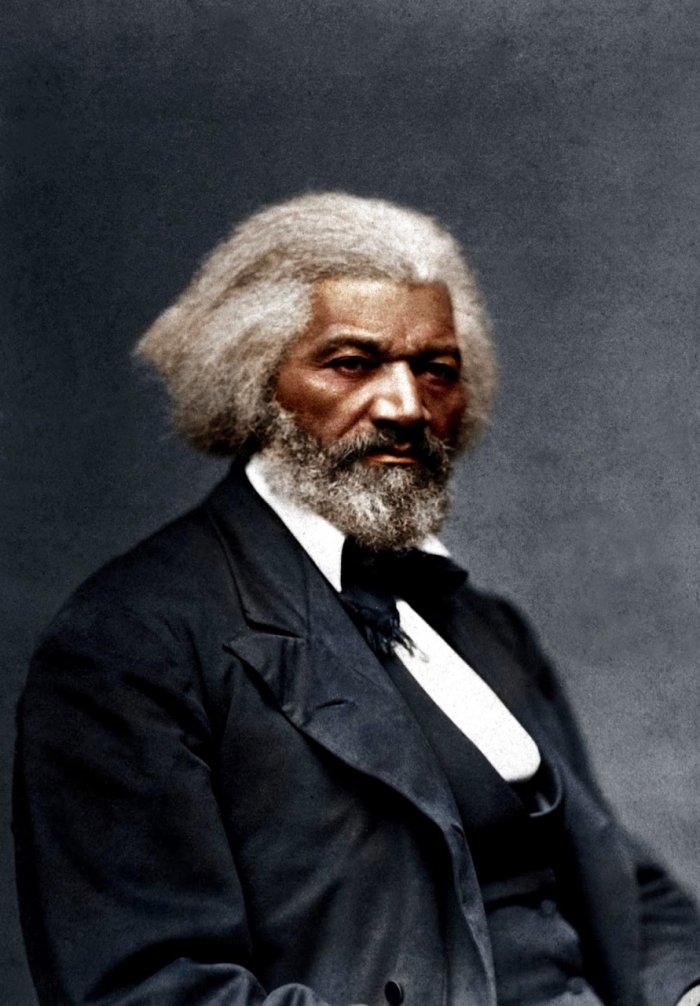
Black History Month is more than a celebration of achievements. It is a time for reflection, education, and honest conversations about the past and present. It challenges us to recognize the individuals who shaped this nation while also acknowledging the systems that continue to affect it. One of those individuals is Frederick Douglass, whose words and legacy remain deeply relevant today.
Fredrick Douglass is a notable civil rights activist for a multitude of reasons, but mainly because of his relentless pursuit of literacy and education as a form of resistance against oppression. Using his knowledge as a tool of advocacy against pro-slavery myths, while exposing the true brutality of Slavery and Reconstruction that the world would rather we forget or ignore. A beloved quote of mine from Douglas comes from his essay “The Color Line,” published in the North American Review in June 1881 during the early Jim Crow era following Reconstruction. In this, he states that, “Slavery is indeed gone, but its shadow still lingers over the country and poisons more or less the moral atmosphere of all sections of the republic.” -Fredrick Douglas, “The Color Line,” North American Review, June 1881.
Despite Douglas authoring these words over 100 years ago, unfortunately, they still ring true today. Racism has crept its way into every aspect of our lives in healthcare, education, police work, and even infrastructure, or lack thereof. Whether we acknowledge it or not, the shadow of racism affects everyone regardless of gender, skin color, or economic status, obviously to varying degrees. Racism is so intensely embedded in our culture, traditions, and education that it has become inescapable and unavoidable in this so-called “Land of the Free”. While knowing the extent of racism’s grasp on society can make individuals feel isolated, hopeless, and even discover prejudices they hold against themselves or others, it’s important not to let this knowledge weigh us down or deter us from learning the parts of history that conventional narratives have made it easy to ignore. Black History is American History.
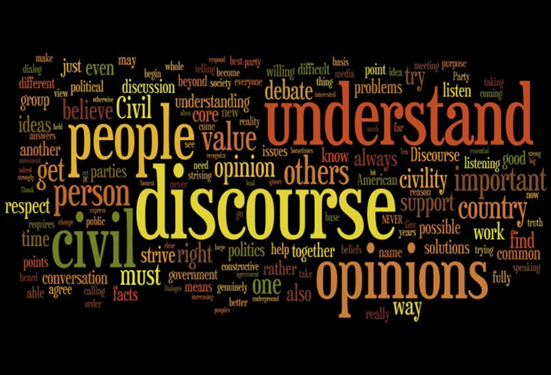
Black history is American history because the struggles, contributions, and triumphs of Black Americans are woven into the very foundation of this country. To understand one is to understand the other. Black History Month is not about separating stories; it is about completing them. It is about ensuring that the shadow Douglass described does not remain unexamined, and that education continues to be used as a tool for truth, growth, and change. By learning, reflecting, and engaging in meaningful dialogue, we honor the legacy of leaders like Douglass and take steps toward a future where history is acknowledged fully and honestly.