Black History Month is supposed to be a time to reflect on progress. This year, it feels like a reminder of how much work remains.
The political noise is back. It shows up in our classrooms, at our lunch tables, and in our homes. These conversations about the ICE issue of today, immigrants, and race have resurfaced with an intensity that feels familiar and unsettling. We have lived through this before. I remember when my sister was in high school during the aftermath of George Floyd’s death. Everything felt paused. Schools, friendships, and conversations all shifted. Now, years later, my own high school experience is being framed by another moment of national division.
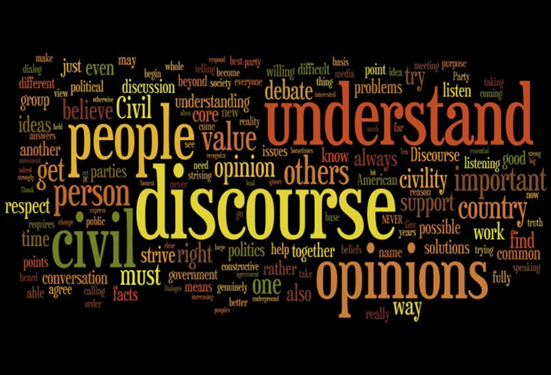
What stands out most is how little has changed in how we talk to one another. It is 2026, yet conversations around race often turn into shouting rather than listening. Opinions harden quickly. Logic disappears. Students who look like me and other minorities feel marginalized again. This is not always because of what is being said, but because of how it is said and who feels safe enough to speak.
These moments have forced real conversations in my life. At home, my family talks openly about race, history, and responsibility. At school, my lunch bunch has become a space for honest dialogue and debate. In my classes, I am more aware of how words matter and how easily discussions can exclude instead of include.
This year for me has also changed how race is framed in personal relationships. I am in an interracial dating relationship, though I have never thought of it that way. To me, I am just dating my friend, who happens to be white. But once again, race has been placed at the center of something that never needed a label. That framing is a reminder that society still struggles to let people exist without explanation.
I am grateful to have grown up in a household that did not avoid these conversations. One of the most impactful experiences of my childhood was visiting Montgomery, Alabama. As a family, we walked through civil rights museums and memorials, making Black history real in a way textbooks never could. It was not abstract anymore. It was personal. It showed the cost of silence and the power of courage. My great-uncle and aunt shared their stories of civil rights, living through it as a new immigrant student for my great aunt from India and growing up in Georgia for my great-uncle who is African-American through a tough time in our country.
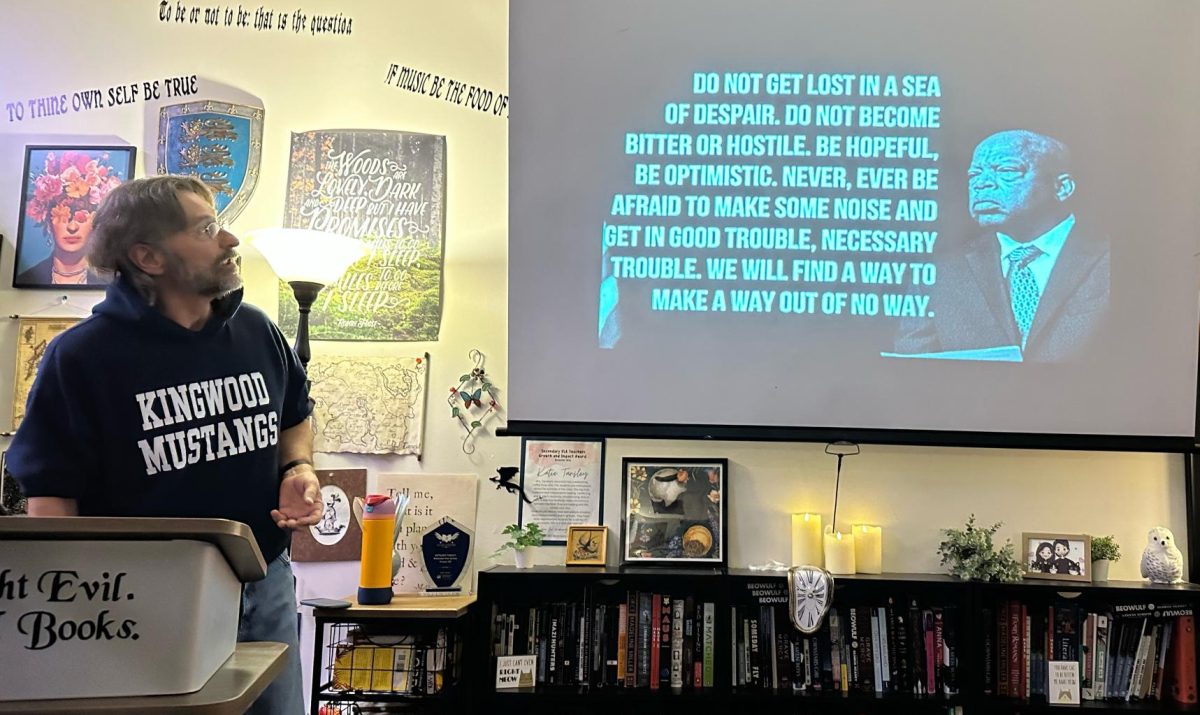
For me this year, Black History Month is not just about honoring the past. It is about examining the present. It asks us to look honestly at how we treat one another now. If we are still arguing about race instead of practicing respect, if we are still talking over each other instead of listening, then we have missed the point.
Black history is American history. It is not confined to a month or a lesson plan. It lives in our conversations, our classrooms, and our choices. In a time when division feels louder than understanding, Black History Month should challenge us to slow down, listen, and do better.
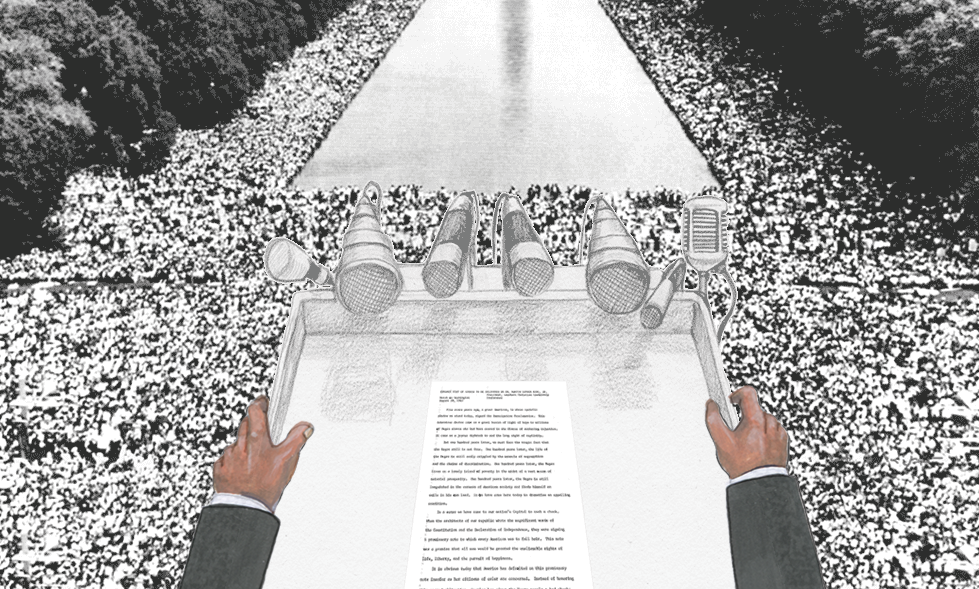
“With this faith we will be able to transform the jangling discords of our nation into a beautiful symphony of brotherhood” is indeed a key quote by Martin Luther King Jr.”
We do not need louder voices. We need more thoughtful ones.