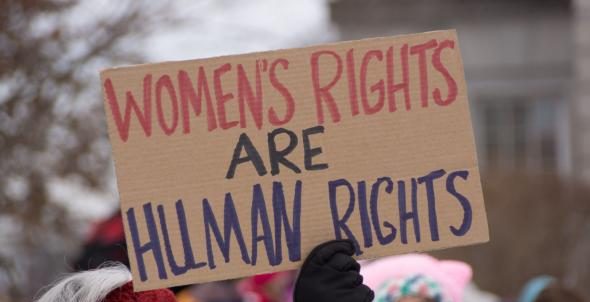

Every March, schools hang posters in the hallways, teachers squeeze in a few extra lessons, and we spend some time talking about important women in history. And honestly? That is great. But we sometimes treat Women’s History Month like a checkbox, something we acknowledge and then move on from. This year, I want to talk about why that has not been enough. While we are putting up bulletin boards and watching videos about Susan B. Anthony, there are women on the other side of the world literally risking their lives to be free. And have we actually been paying attention?
Let’s start with the basics. For most of history, women were just left out of the main discussions. Not because they were not doing important things, but because the people writing history down did not think their stories were worth including. Women’s History Month exists to fix that, to make sure we actually know the names and stories of the people who fought to make the world better.
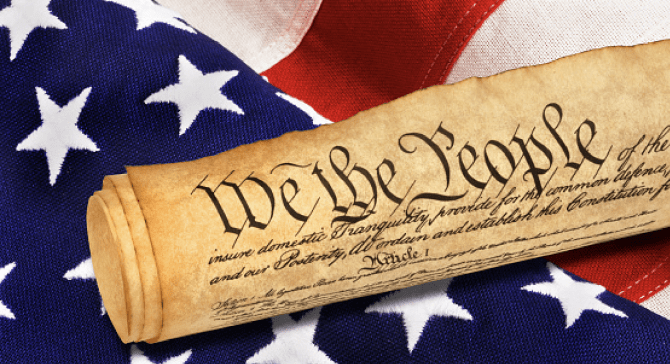
One of the biggest moments in American history was the 19th Amendment, passed in 1920, which finally gave women the right to vote. But that did not just happen overnight. It took decades of protests, organizing, and women who refused to back down, even when the world told them to sit down and be quiet.
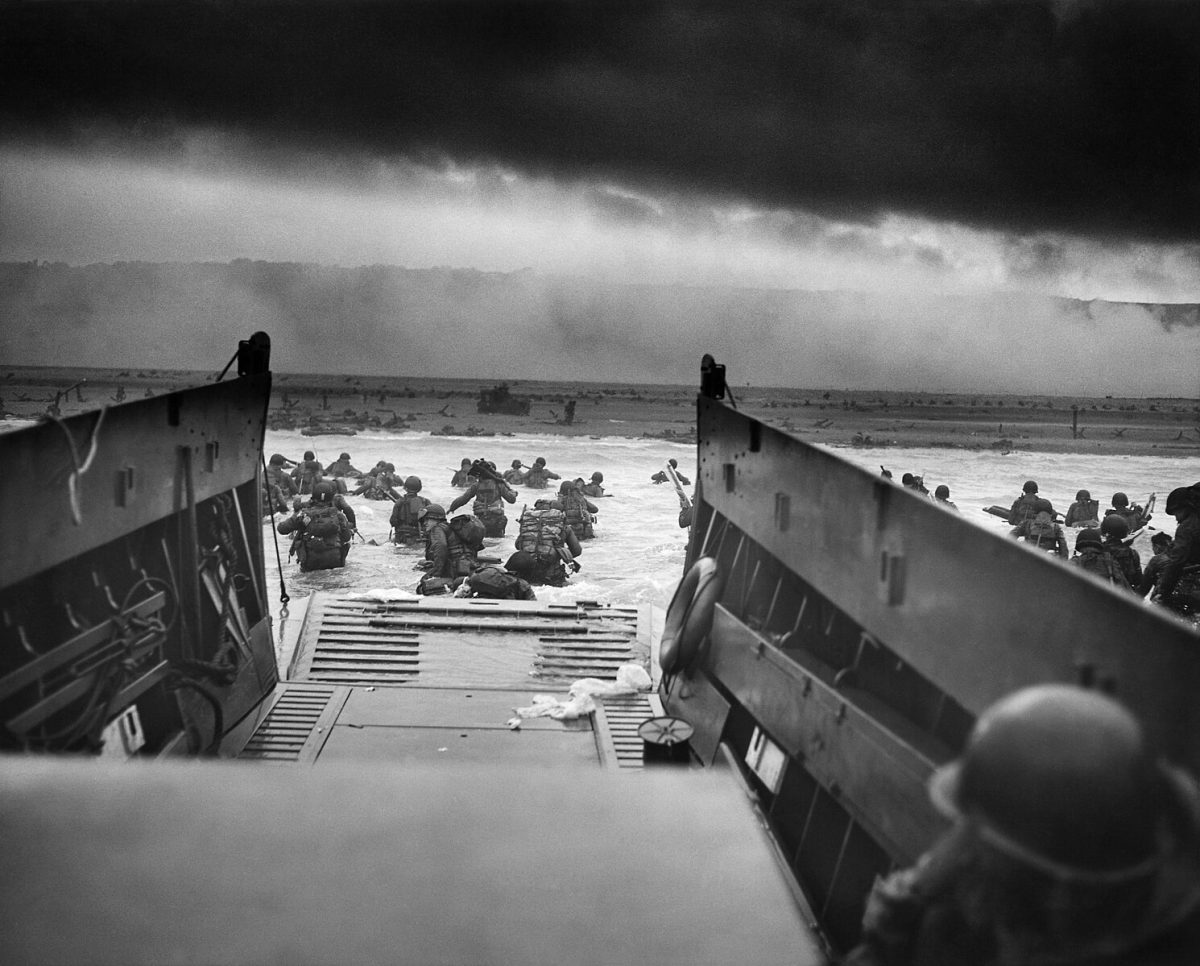
Then there was World War II, when millions of women stepped up to work in factories and industries while men were overseas fighting. The image of “Rosie the Riveter” became the symbol of that generation, women doing jobs everyone said they could not do and proving them completely wrong.
Can One Person Change Everything?
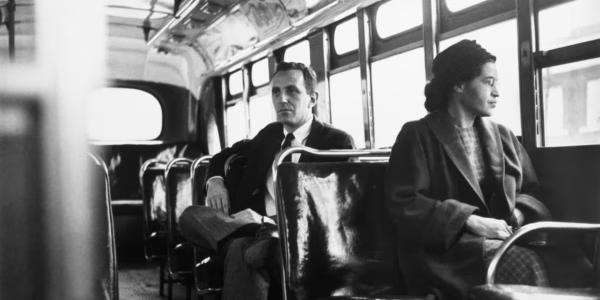
Here is something I think about a lot. Rosa Parks did not plan to start a revolution on December 1st, 1955. She was tired after a long day of work, and she refused to give up her seat on a bus in Montgomery, Alabama. That one moment, that one quiet, firm decision, helped launch the entire Civil Rights Movement.
I think about that whenever someone says one person cannot make a difference. Rosa Parks was one person. And the world changed.
That same kind of courage is happening right now. In a country where simply walking outside without a headscarf can get you arrested, women are doing exactly that every single day.
Women Who Did Not Just Break Barriers, They Destroyed Them
Before we get to what is happening today, it is worth remembering some of the women who refused to let the world limit them.
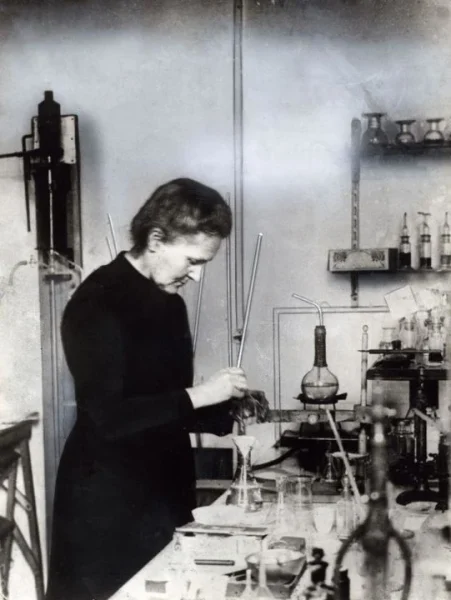
Marie Curie was not just a great female scientist. She was one of the greatest scientists who ever lived. She won two Nobel Prizes in two completely different fields, physics and chemistry. No one had ever done that before. And she did it in an era when women were barely allowed in universities.
Amelia Earhart became the first woman to fly solo across the Atlantic Ocean in 1932. She was not just breaking aviation records. She was telling an entire generation of girls that the sky was not even close to the limit.
There are more stories of advancements along the way, including having the first woman vice president during our time. These women matter. Their stories matter. But so do the stories of women who are fighting right now, women who are not yet in the history books.
The Women We Should Have Been Paying Attention To All Along
Here is the part that gets overlooked every single March. While we celebrate the progress that has been made, there are women in Iran and other countries who have been living under laws that control almost every part of their lives for decades. And for a long time, it felt like the rest of the world just moved on without them.
But before we even get to Iran, we need to look closer to home. The Jeffrey Epstein case forced the entire world to confront something deeply uncomfortable. For years, powerful men exploited and trafficked young women and girls. And for years, the people who knew looked the other way. The victims were ignored, doubted, and silenced while their abusers moved freely through some of the most powerful circles in the world. That is not ancient history either. That happened here. In America. In our lifetime.
Women’s rights are not just about voting and equal pay. They are about being believed. About being protected. About powerful people being held accountable regardless of who they know or how much money they have. The Epstein case reminded us that progress on paper does not always mean protection in real life. And that should bother all of us.
So yes, did we forget them? In many ways, we did. And that is worth sitting with for a minute.
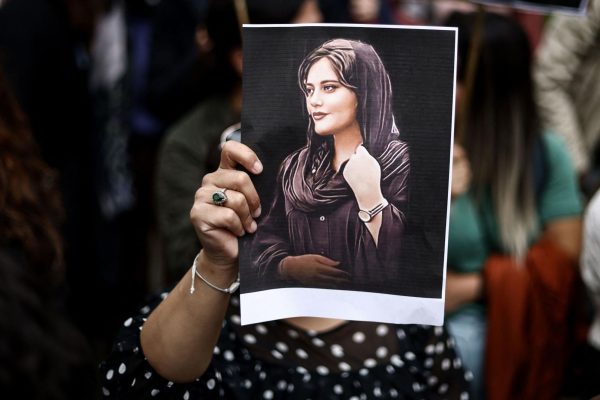
In September 2022, a 22-year-old woman named Mahsa Amini, also known by her Kurdish name Jina, was arrested by Iran’s morality police. The reason? She was not wearing her hijab the way the government required. She died in police custody. The government said nothing was wrong. Most people did not believe them.
What happened after her death was something nobody could have predicted. Women across Iran flooded the streets. They took off their headscarves. They cut their hair in public as an act of defiance. They looked directly into the face of a government that had been silencing them for decades and chanted earnestly. It spread everywhere. People around the world heard it. For a moment, it probably felt like things might actually change for them at that time.
The Iranian government did not respond peacefully. According to human rights organizations, hundreds of protesters were killed. Thousands were arrested. Some were executed. And a lot of the people targeted were teenagers, kids my age and younger, who just wanted the same basic rights I have never had to think twice about.
Even after all of that, Iranian women have not stopped. Some still walk outside without their headscarves, knowing exactly what could happen to them. That level of courage is hard even to wrap my head around.
If we can celebrate Rosa Parks for refusing to give up a seat on a bus, we can and should celebrate the women of Iran for what they are doing right now.
Why Does This Matter to Us in Houston, Texas?
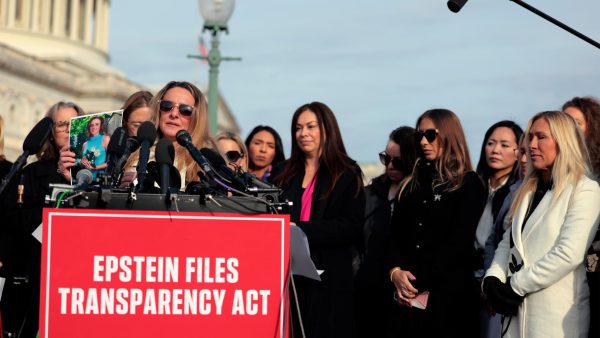
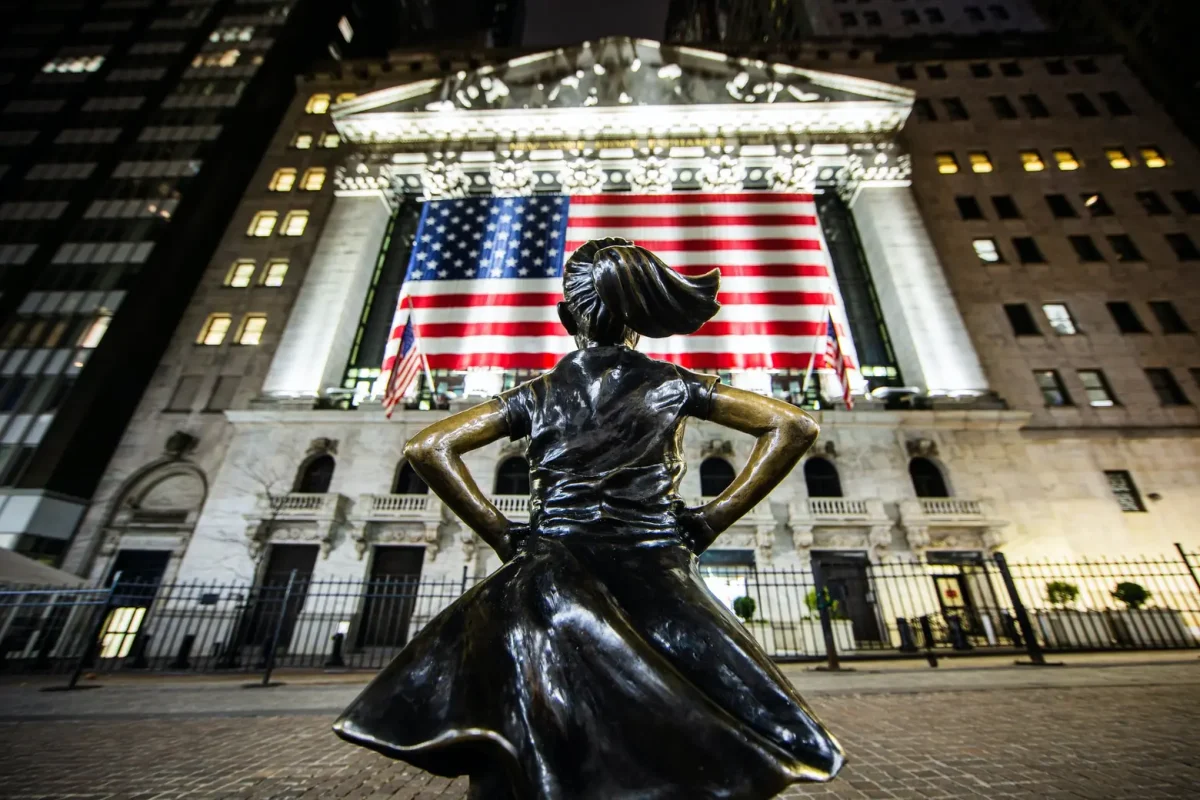
Photo by Heather Diehl/Getty Images
I get it. We are in high school in Kingwood, Texas. We have a lot going on, and it is easy to feel like what happens in Iran or around the world has nothing to do with our lives. But that is exactly the kind of thinking that has allowed so much of this to go on for so long. The Epstein victims thought the government and laws would protect them, too. The women of Iran did not lose their rights overnight. These things happen gradually, and they happen when people stop paying attention.
Rights are not permanent. They are not guaranteed. The women we celebrate in Women’s History Month spent their lives fighting for things that we now take for granted. The women in Iran and around the world are proof that those same fights are still happening.
Women’s History Month is not just about the past. It is about recognizing that the same fight, the fight to be seen, heard, and treated as an equal, is still going on. The least we can do is remember them and the women who came before me, paving the way for the path I now have so freely in America.
“It took me quite a long time to develop a voice, and now that I have it, I am not going to be silent.” – Madeleine Albright (1937-2022), U.S. Secretary of State.
Sources
- “Women’s History Month: 2023 Dates, Facts, Quotes.” History.com, A&E Television Networks, https://www.history.com/articles/womens-history-month. Accessed 5 Mar. 2026.
- History.com Editors. “Rosa Parks.” History.com, A&E Television Networks, last updated February 2023. https://www.history.com/topics/black-history/rosa-parks
- Nobel Prize Outreach. “Marie Curie, Biographical.” NobelPrize.org, The Nobel Prize. https://www.nobelprize.org/prizes/physics/1903/marie-curie/biographical/
- Human Rights Watch. “Iran: Events of 2023.” Human Rights Watch World Report 2024. https://www.hrw.org/world-report/2024/country-chapters/iran